With the convergence of Artificial Intelligence, BioTech and Quantum computing our lifespans are going to increase dramatically, but what about our healthspan? The quality of those extra years we'll gain matters far more than the quantity. When I talk to people about the very real possibility that in the next decade, if we can stay alive, we could double our lifespan, they look at me with utter dread. "I don't want to be 125 and unable to walk," they immediately respond.
The assumption that longer life automatically means longer decline is fundamentally flawed. We have more control over how we age than most people realise. If you read this book and apply what you learn, you will exponentially increase your chances of extending your healthspan to match your lifespan.
Picture this: at 85, you're not just able to get on the ground and wrestle with your great-grandchildren — you're taking them for mountain hikes, ocean swims, morning runs, and cycling adventures. You're the ancestor who shows up with energy, strength, and vitality, not the one who needs to be cared for.
The science is clear: the human body is remarkably adaptable, even in what society considers "old age." Muscle mass can be rebuilt, cardiovascular capacity can be restored, flexibility can be regained, and cognitive function can be enhanced well into our later decades.
But here's the catch — it requires intentional action, not wishful thinking. There are thousands of books promising to help you "age gracefully" and "feel comfortable." This is emphatically not one of them. Graceful ageing and comfortable living are fine goals, but they're not the ceiling of what's possible.
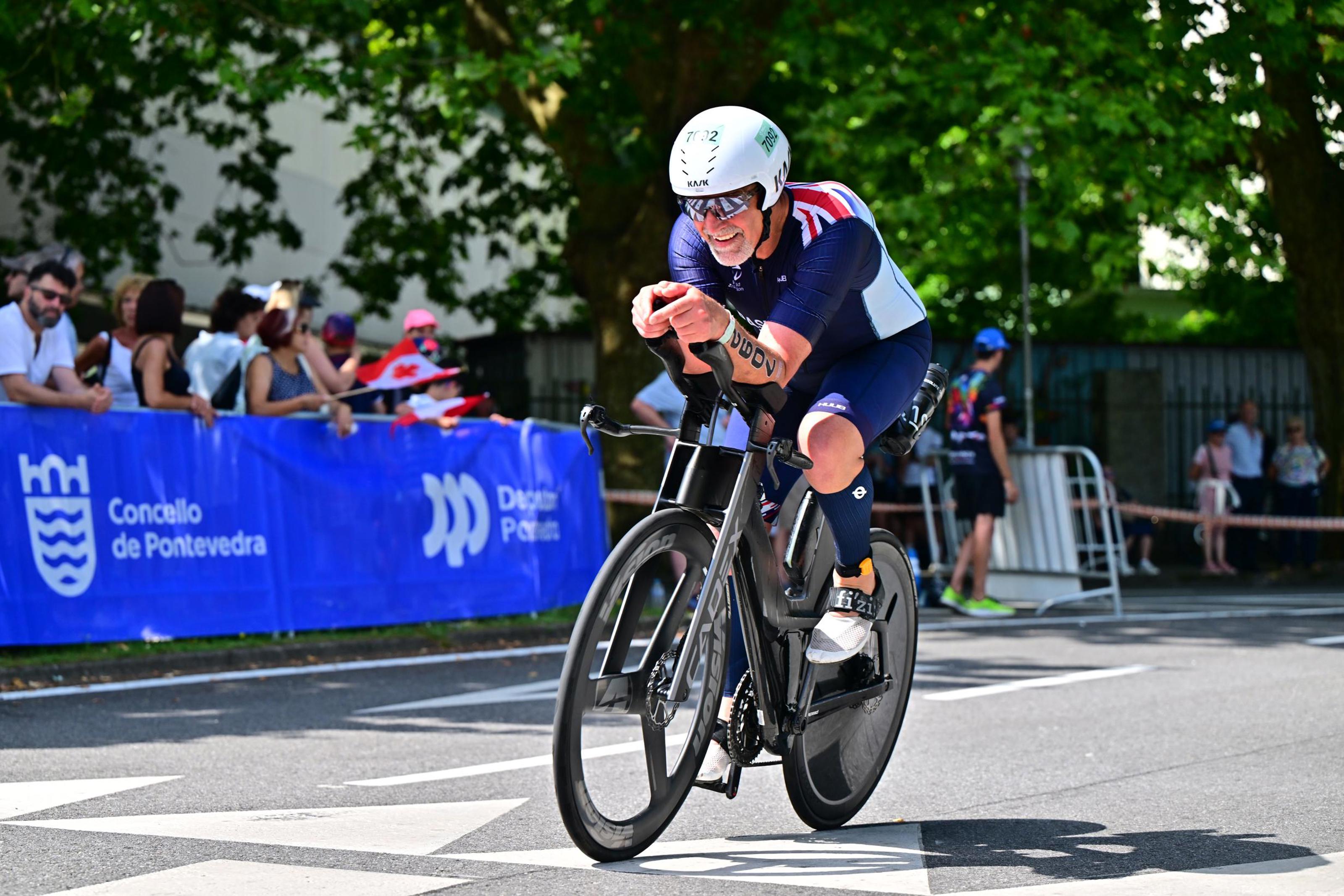
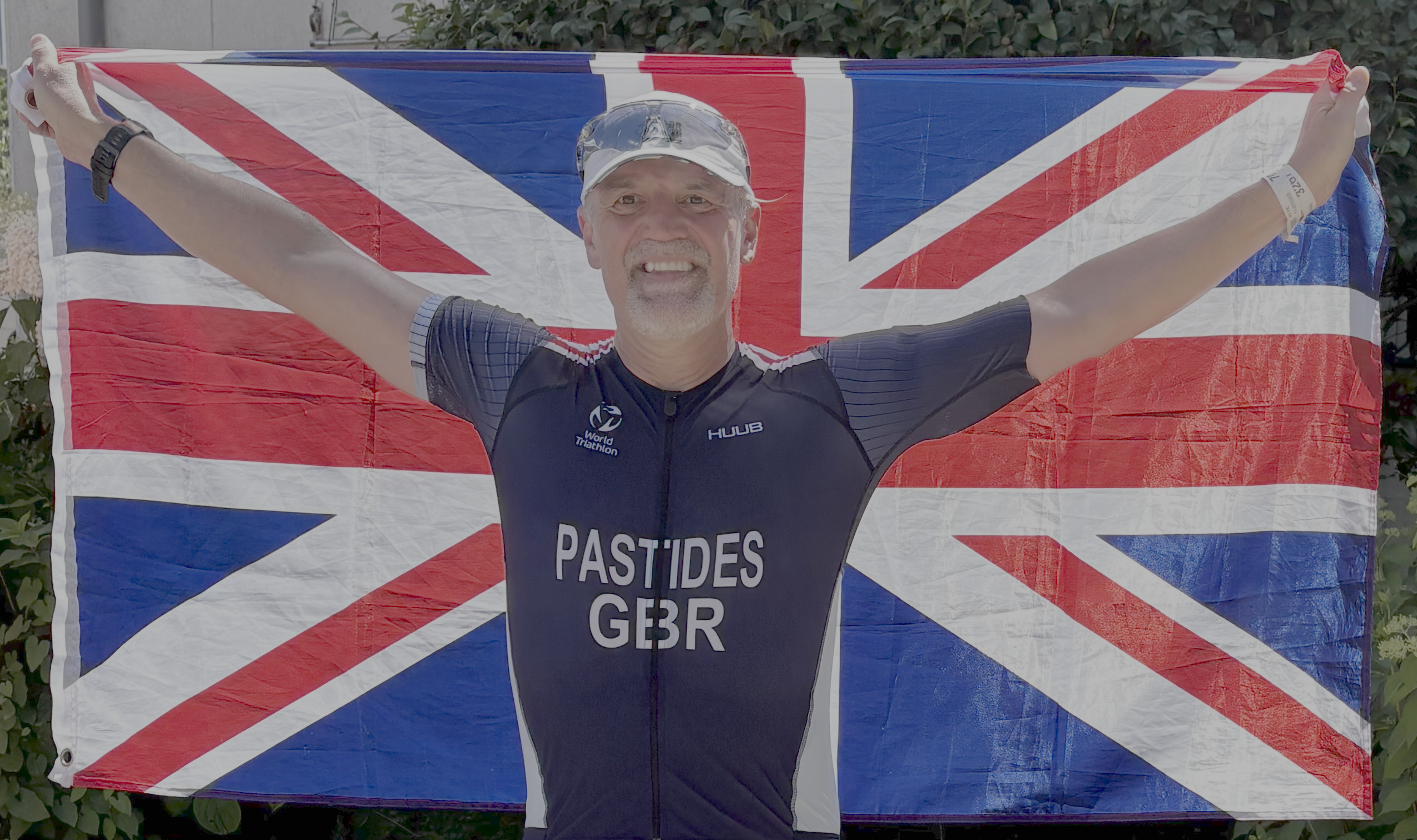
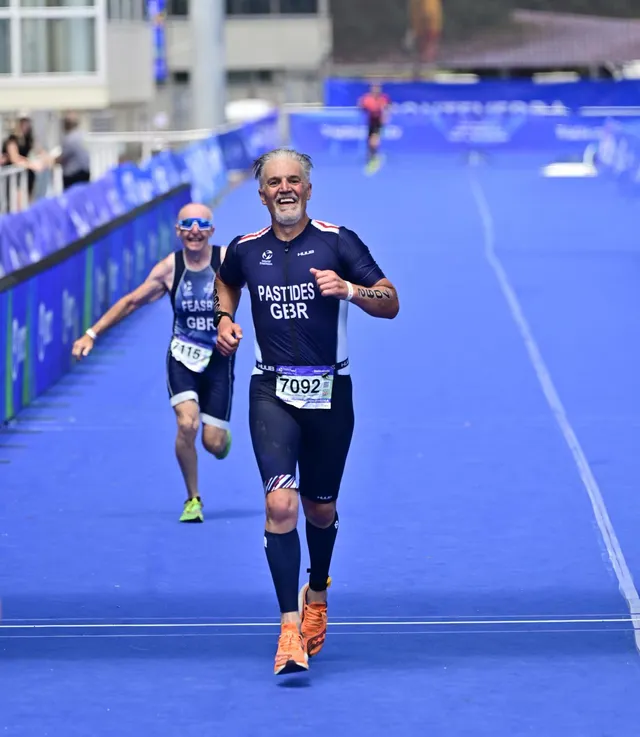
This book is a front-row seat to what happens when a 17-stone businessman in his forties decides not to wind down with the conventional wisdom of middle age, but instead to see how far his body and mind can actually go when pushed with purpose and precision. The journey you're about to witness culminates in something most would consider impossible: multiple elite world and European triathlon medals in one of the most demanding sports on the planet.
This isn't a story about natural athletic ability or a lifetime of training — quite the opposite. Inside twelve months, this journey runs from never having completed a triathlon to standing on the start line of the 2022 European Sprint Championships in Munich as a legitimate competitor, then progressing to a debut at the World Super-Sprint Championships the following year and securing a top-10 finish against the world's best athletes in the age group.
But the medals aren't the point — they're simply proof of concept. They demonstrate what becomes achievable when you reject society's limiting beliefs about age and capability, when you stop making excuses, and when you start treating your body like the high-performance machine it was designed to be, regardless of how many years it's been in service.
This is Book 1 of the PerformAfter50 series and it shares that complete transformation journey and the hard-earned lessons extracted from it, so you can set your own audacious goals, execute them with precision, and discover what is truly possible in what I call the third phase of life.
This is the phase where you stop merely surviving the passing years and start crossing finish lines you once thought were beyond your reach. It's where you transform from someone who talks about what they used to be able to do, to someone who's actively discovering what they're still capable of becoming.
Pete Pastides
GBR Age Group Triathlete (55-59)
Jan 10th 2026